
Become a Skipper
Working as a skipper means taking responsibility for a yacht, a crew, and the people on board. It’s a professional role that combines boat handling, decision-making, and guest management. Quarterdeck trains skippers to work on 40–60ft charter yachts, and for those who meet the standard, offers paid assignments during the season. Most first-time skippers work several weeks in their first summer, depending on availability and performance.
What Becoming a Skipper Involves
People often ask how to become a skipper. The practical answer is simple: you need the right experience, the right licence, and the ability to operate calmly and professionally when things don’t go exactly as planned.
As a skipper, you’re responsible for:
The safety of guests and crew
The yacht and its systems
Decisions made in ports, marinas, and at anchor
The overall tone of the week on board
Many sailors are confident when sailing with friends but haven’t worked in a commercial charter setting. Quarterdeck’s training focuses on that transition between recreational sailing and operating as the person in charge.
For full details on the training programme itself: Skipper Academy
Courses Dates
Skipper Academy runs on set course weeks each season. Training takes place in active charter areas, so conditions reflect real working environments. Upcoming courses are listed below with location, dates, and pricing. Availability is limited and some weeks sell out early.
2026 Courses
Croatia
15 - 22 May 2026
Croatia
22 - 29 May 2026
Croatia
19 - 26 June 2026
Skipper Academy 2026 is sold out. Want to lock in a spot for 2027? Join Sailing Academy this year and you’ll be guaranteed a place in Skipper Academy 2027. Read more here.
2027 Courses
Croatia
14 - 22 May 2027
Croatia
21 - 29 May 2027
Greece
4 - 12 June 2027
Why We Sell Out Every Season
Direct Employment: We provide a near-guaranteed path into active yachting roles. ~90% pass rate.
The Network Effect: You join a lifelong community of professionals.
Proven Success: Our courses are the industry gold standard for rapid career entry.
The Path to Working as a Skipper
There are different starting points, but the process follows the same structure
Meet the baseline requirements
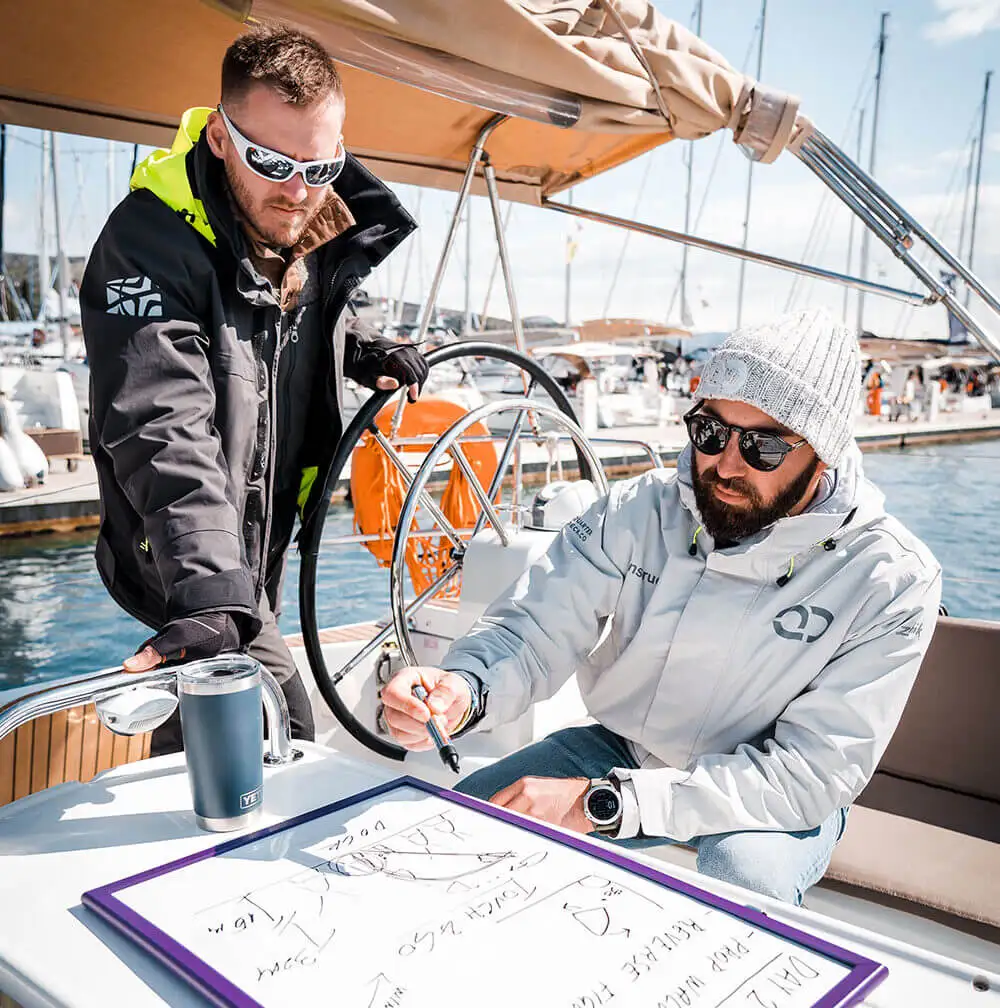
You’ll need an accepted sailing licence and enough hands-on experience to handle a 40–60ft yacht safely.
Train in charter conditions
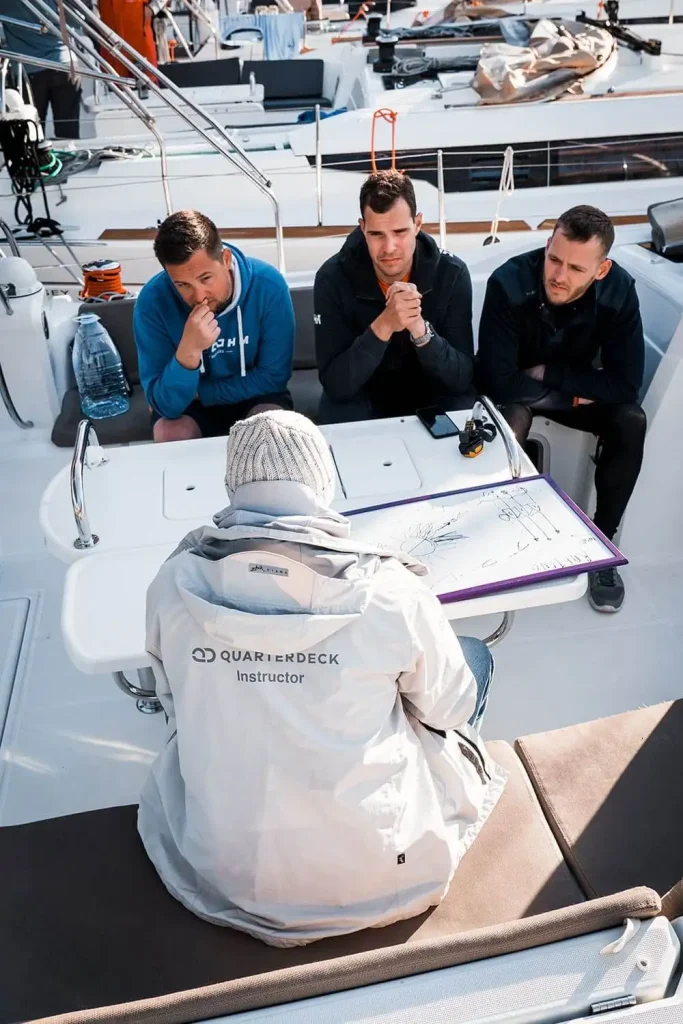
Training covers docking, Med-mooring, marina operations, guest interaction, and decision making under pressure.

Work when demand aligns
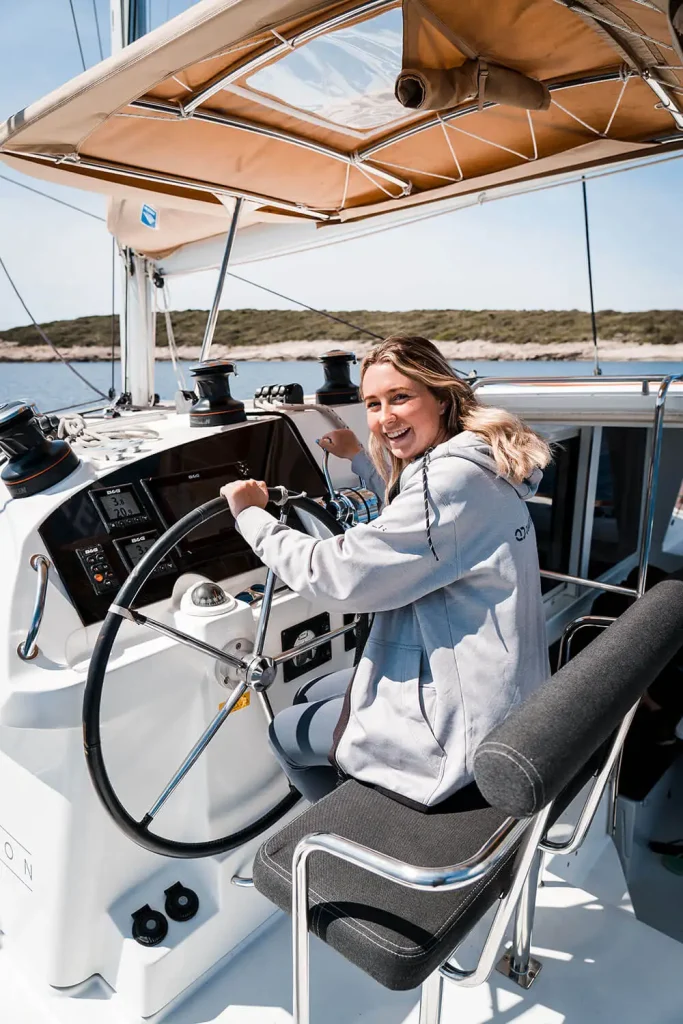
Passing training allows you to be considered for work. Assignments depend on performance, availability, and seasonal demand.
This approach keeps standards consistent for skippers, guests, and the wider team.
The Path to Working as a Skipper
There are different starting points, but the process follows the same structure
Meet the baseline requirements
You’ll need an accepted sailing licence and enough hands-on experience to handle a 40–60ft yacht safely.
Train in charter conditions
Training covers docking, Med-mooring, marina operations, guest interaction, and decision making under pressure.
Work when demand aligns
Passing training allows you to be considered for work. Assignments depend on performance, availability, and seasonal demand.
This approach keeps standards consistent for skippers, guests, and the wider team.
Choose your path
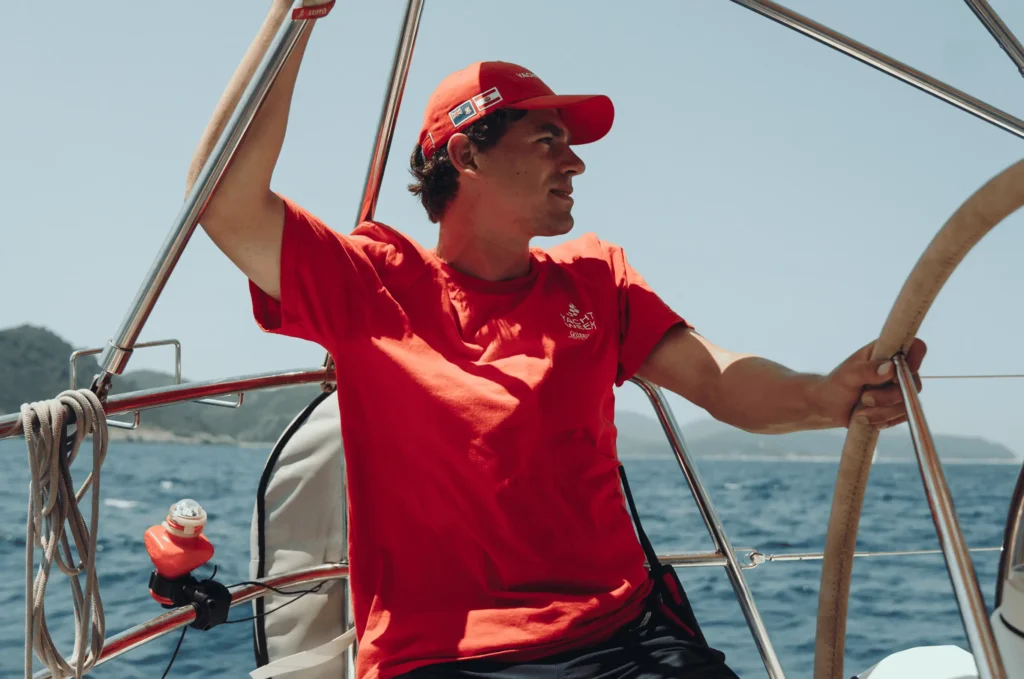
Your next step depends on where you’re starting from.
You can apply directly to Skipper Academy
You’ll need to obtain an accepted sailing licence and then apply to Skipper Academy
Most people in this position benefit from additional training before skipper assessment. You can apply to Sailing Academy + Skipper Academy
This isn’t the right step yet. Building experience first is the safest route.
If you’re unsure where you fit, the application starts with a pre-check, not a commitment.
Am I Eligible?
Most candidates who progress to skipper work meet the following criteria:
- Age 20+
- Fluent English
- Valid sailing licence, VHF, and First Aid
- Comfortable handling a 40–60ft yacht with an experienced crew
- Available to work during peak season (June–August)
Bonus: Work permit for: Croatia, Greece, Italy, Tahiti, and BVI.
After more than 20 years running large flotillas, we accept candidates we’re confident can operate safely, pass the training, and contribute professionally during the season. The most common reason someone isn’t accepted is a lack of recent, hands-on yacht-handling experience, particularly in marinas and busy charter conditions.
If you’re close, but not there yet, one additional week of focused sailing and docking can make a real difference. Adding one week at Sailing Academy, helps candidates with experience and training needed before the next assessment.
For a detailed breakdown of accepted licences and experience levels: Skipper Requirements
Training and Assessment
Training focuses on how charter weeks actually run
Tight marina manoeuvres
Time pressure
Guest expectations
Teamwork with hosts
Clear, calm decision-making
Assessment is practical and pass/fail. When someone doesn’t pass, it usually means more experience or preparation is needed.
Skipper Pay and Progression
Skipper work is paid per assignment.
Typical structure
- Weeks 1–2: €400/week
- Weeks 3+: €600/week
- On-board living is covered while on assignment
Most first-season skippers work around 5–7 weeks. Some choose fewer weeks. Others, with wider availability, work more.
Who This Role is For
Becoming a skipper is for the ones people who
- Are comfortable being responsible
- Stay composed under pressure
- Communicate clearly with guests and crew
- Respect professional boundaries
It’s not the right fit for everyone. Being clear about that protects safety, guest experience, and team culture.
Before applying, we recommend reviewing the full Skipper Requirements and certification expectations.

Next Steps
If becoming a skipper with Quarterdeck feels like the right direction
- Check you meet the requirements
- Review upcoming course dates
- Apply for a pre-check
Got what it takes?